Engineering projects across various industries demand materials that combine exceptional strength, lightweight properties, and design flexibility. Among the most versatile solutions available today, honeycomb panels have emerged as a preferred choice for architects, engineers, and construction professionals. These advanced composite materials offer unparalleled customization options that can be tailored to meet the specific requirements of diverse engineering applications, from aerospace components to architectural facades.
The customization capabilities of these innovative panels extend far beyond basic dimensional adjustments. Modern manufacturing techniques allow for precise modifications in core density, face sheet materials, thickness variations, and specialized coatings that enhance performance characteristics. This adaptability makes them indispensable for projects requiring specific load-bearing capacities, environmental resistance, or aesthetic requirements.
Understanding the full scope of customization possibilities enables engineering teams to optimize their designs while maintaining cost-effectiveness and structural integrity. The following comprehensive guide explores the various ways these panels can be adapted to meet project-specific demands and achieve superior performance outcomes.
Aluminum honeycomb cores represent the most widely used configuration due to their excellent strength-to-weight ratio and corrosion resistance properties. Engineers can specify different cell sizes ranging from 1/8 inch to 1 inch, with each size offering distinct performance characteristics. Smaller cell sizes provide enhanced compressive strength and smoother surface finishes, making them ideal for precision applications requiring tight tolerances.
The foil thickness of aluminum cores can be customized from 0.002 to 0.007 inches, directly impacting the panel's overall strength and weight. Thicker foils increase structural capacity but add weight, requiring careful balance based on application requirements. Additionally, specialized aluminum alloys can be selected to enhance specific properties such as fire resistance, electromagnetic shielding, or thermal conductivity.
Surface treatments for aluminum cores include anodizing, chromate conversion coatings, and specialized primers that improve adhesion with face sheets. These treatments can be customized to provide enhanced corrosion protection in marine environments or improved electrical conductivity for electronic applications.
Beyond aluminum, honeycomb panels can incorporate various core materials to meet specific engineering requirements. Aramid (Nomex) cores offer exceptional fire resistance and are commonly used in aerospace applications where flame spread characteristics are critical. These cores maintain structural integrity at elevated temperatures and produce minimal toxic smoke when exposed to fire.
Polypropylene cores provide excellent chemical resistance and are ideal for applications involving exposure to aggressive chemicals or corrosive environments. Their closed-cell structure prevents moisture absorption, making them suitable for marine applications or environments with high humidity levels.
Thermoplastic cores can be customized with specific additives to enhance UV resistance, anti-static properties, or electromagnetic interference shielding. These modifications allow engineers to create panels that meet specialized requirements for outdoor applications or sensitive electronic environments.
Face sheet selection significantly impacts the overall performance characteristics of honeycomb panels, with aluminum being the most versatile option available. Engineers can specify different aluminum alloys, including 3003, 5052, and 6061, each offering unique combinations of formability, strength, and corrosion resistance. Thickness options typically range from 0.016 to 0.125 inches, allowing precise control over structural properties and weight considerations.
Stainless steel face sheets provide superior corrosion resistance and are essential for applications in chemical processing facilities or marine environments. Various grades including 304, 316, and 316L can be specified based on the specific corrosive agents present in the operating environment. The material's natural antimicrobial properties make it ideal for food processing or pharmaceutical applications.
Titanium face sheets offer the ultimate combination of strength, corrosion resistance, and lightweight properties, though at a premium cost. These are typically reserved for aerospace applications or specialized environments where extreme performance is required and cost is secondary to performance criteria.
Fiberglass reinforced plastic face sheets provide excellent electrical insulation properties and can be customized with specific resin systems to enhance chemical resistance or fire retardancy. The fiber orientation and weave patterns can be tailored to optimize strength characteristics in specific directions, making them ideal for applications with directional loading requirements.
Carbon fiber face sheets deliver exceptional strength-to-weight ratios and can be customized with different fiber orientations to optimize stiffness and strength properties. Various resin systems including epoxy, vinyl ester, and phenolic can be specified based on temperature requirements and chemical exposure conditions.
Specialty face sheets include options such as Tedlar for enhanced weatherability, Kynar for superior chemical resistance, and various decorative laminates for architectural applications requiring specific aesthetic properties while maintaining structural performance.
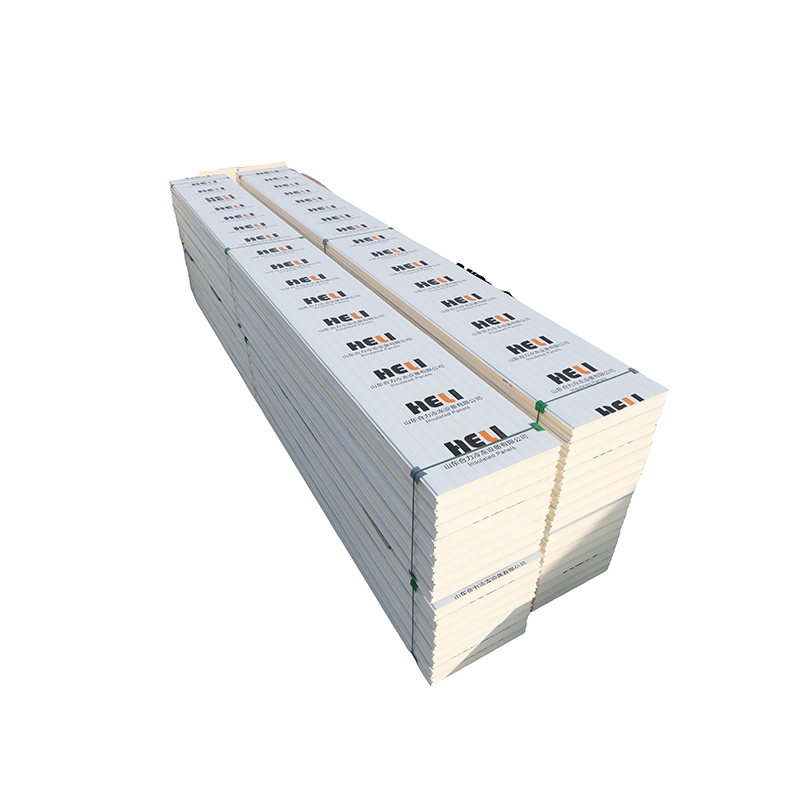
Panel thickness customization directly influences structural performance characteristics including bending stiffness, compressive strength, and overall weight. Standard thicknesses range from 0.25 inches to 4 inches, though custom thicknesses up to 8 inches are achievable for specialized applications requiring exceptional structural capacity.
The relationship between core thickness and face sheet thickness must be carefully optimized based on loading conditions. Thicker cores provide increased bending stiffness and buckling resistance, while thicker face sheets enhance in-plane strength and impact resistance. Engineers can specify asymmetric configurations with different face sheet thicknesses on each side to accommodate specific loading conditions or manufacturing constraints.
Tapered thickness configurations allow for weight optimization in applications where structural requirements vary across the panel surface. This customization is particularly valuable in aerospace applications where weight reduction is critical and structural loads are non-uniform.
Modern manufacturing capabilities enable production of panels in virtually unlimited sizes and complex shapes. Standard rectangular panels can be produced up to 5 feet by 12 feet, while specialized equipment allows for larger dimensions when project requirements demand oversized panels.
Complex curved surfaces can be accommodated through specialized forming processes, enabling integration into aerodynamic shapes or architectural features requiring specific geometric profiles. The degree of curvature achievable depends on panel thickness, core material properties, and face sheet characteristics.
Cut-outs, perforations, and machined features can be incorporated during manufacturing or as secondary operations. These modifications must be carefully engineered to maintain structural integrity while providing required functionality such as ventilation, access ports, or weight reduction.
Surface treatments play a crucial role in enhancing the durability and performance of honeycomb panels in challenging environments. Anodizing treatments for aluminum face sheets can be customized to provide specific colors while enhancing corrosion resistance and surface hardness. Type II anodizing offers standard protection, while Type III hard anodizing provides superior wear resistance for high-contact applications.
Powder coating applications allow for virtually unlimited color options while providing excellent weatherability and impact resistance. These coatings can be formulated with specific additives such as anti-microbial agents for healthcare applications or conductive materials for electromagnetic compatibility requirements.
Chemical conversion coatings including chromate and non-chromate options provide enhanced paint adhesion and corrosion protection. These treatments are essential when panels will be exposed to harsh environmental conditions or require long-term durability without maintenance.
Architectural applications often require decorative finishes that combine aesthetic appeal with functional performance. Brushed, polished, or textured surface finishes can be applied to create specific visual effects while maintaining structural integrity. These finishes can also provide functional benefits such as improved grip surfaces or reduced glare characteristics.
Printed graphics and patterns can be applied using digital printing technologies, enabling custom designs for branding, wayfinding, or decorative purposes. These applications utilize specialized inks and protective overcoats to ensure long-term durability and color stability when exposed to UV radiation and environmental conditions.
Anti-graffiti coatings provide protection against vandalism while maintaining the original appearance of the panel surface. These specialized coatings allow for easy removal of unwanted markings without damaging the underlying finish or compromising structural integrity.
Thermal performance customization involves incorporating specialized materials or treatments to enhance insulation properties or thermal conductivity as required by specific applications. Thermal barrier coatings can be applied to face sheets to reduce heat transfer, while specialized core materials provide enhanced insulation values for building envelope applications.
Acoustic performance modifications include perforated face sheets combined with sound-absorbing core materials to create panels with specific noise reduction coefficients. The perforation patterns, hole sizes, and open area percentages can be customized to target specific frequency ranges for optimal acoustic performance.
Phase change materials can be integrated into core structures to provide thermal mass and temperature regulation capabilities. These advanced materials absorb and release thermal energy at specific temperatures, helping to maintain stable internal environments in building applications.
Electromagnetic shielding capabilities can be enhanced through the incorporation of conductive materials or specialized coatings. Copper mesh inserts, conductive adhesives, or metalized coatings provide effective electromagnetic interference protection for sensitive electronic applications.
Electrical conductivity or insulation properties can be tailored through material selection and specialized treatments. Conductive pathways can be created for grounding applications, while enhanced insulation properties protect against electrical hazards in high-voltage environments.
Anti-static properties can be incorporated through specialized additives or surface treatments, preventing the accumulation of electrostatic charges that could damage sensitive electronic components or create safety hazards in explosive environments.
The extent of customization depends on several key factors including manufacturing equipment capabilities, minimum order quantities, material compatibility, and cost considerations. Most manufacturers can accommodate significant variations in size, thickness, materials, and surface treatments, but highly specialized modifications may require custom tooling or processes that affect lead times and pricing. Engineering consultation during the design phase helps identify feasible customization options that balance performance requirements with practical manufacturing constraints.
Each customization modification can impact structural properties such as strength, stiffness, and failure modes, requiring careful engineering analysis to ensure performance requirements are met. Material substitutions or thickness changes may affect existing certifications or test data, potentially requiring additional testing or validation. Working with experienced manufacturers who maintain comprehensive test databases and engineering support helps navigate certification requirements while achieving desired customization goals.
Lead times for customized panels typically range from 4 to 12 weeks depending on the complexity of modifications required. Standard size and thickness variations with common materials generally require shorter lead times, while specialized materials, complex shapes, or unique surface treatments may extend delivery schedules. Planning ahead and involving manufacturers early in the design process helps minimize lead times and ensures project schedules are maintained.
Cost optimization involves balancing performance requirements with manufacturing efficiency, focusing on customizations that provide the greatest value for specific applications. Standardizing dimensions where possible, selecting readily available materials, and minimizing secondary operations helps control costs while maintaining performance. Collaborating with manufacturers during the design phase identifies opportunities for cost reduction without compromising functionality or quality requirements.

SEVEN GROUP is a leading aluminum building materials manufacturer with global recognition. We specialize in aluminum composite panels, coated aluminum coils, and aluminum solid panels, certified by ISO9001, ISO14001, and CE. Our high-quality products meet ASTM and BS standards and are exported to 34+ countries. Contact us for premium aluminum solutions!
 EN
EN