Modern construction projects demand materials that combine exceptional strength, lightweight properties, and cost-effectiveness. Honeycomb panels have emerged as a revolutionary solution that meets these demanding requirements across various industrial and commercial applications. These innovative building materials feature a unique cellular core structure that delivers outstanding performance characteristics while maintaining structural integrity and reducing overall project costs.
The construction industry has witnessed significant advancements in building materials over the past decade, with engineers and architects increasingly seeking solutions that optimize both performance and sustainability. These specialized panels represent a paradigm shift in how we approach structural design, offering unprecedented advantages that traditional materials cannot match. Their unique hexagonal cell structure mimics nature's most efficient design patterns, resulting in exceptional strength-to-weight ratios that have transformed modern building practices.
The fundamental advantage of honeycomb panels lies in their exceptional structural efficiency. The hexagonal core configuration distributes loads evenly across the entire surface, creating a structure that can withstand significant forces while remaining remarkably lightweight. This geometric arrangement provides maximum strength with minimal material usage, making these panels ideal for applications where weight reduction is critical without compromising structural integrity.
Engineering studies have consistently demonstrated that these panels can achieve strength levels comparable to solid materials while weighing up to 80% less. This remarkable characteristic enables architects to design larger spans, taller structures, and more complex geometries without the typical weight-related constraints. The cellular structure effectively transfers loads through compression and tension forces, creating a highly efficient load-bearing system that exceeds traditional material performance benchmarks.
Construction projects require materials that can withstand decades of environmental exposure while maintaining their structural properties. Honeycomb panels excel in this regard, offering exceptional resistance to moisture, temperature fluctuations, and mechanical stress. The closed-cell structure prevents water infiltration and reduces the risk of corrosion or degradation over time.
The inherent design of these panels provides excellent fatigue resistance, meaning they can endure repeated loading cycles without experiencing structural failure. This characteristic is particularly valuable in dynamic environments where panels may experience wind loads, thermal expansion, or seismic activity. The distributed stress pattern within the honeycomb core ensures that localized damage does not propagate throughout the entire panel, maintaining structural integrity even under challenging conditions.
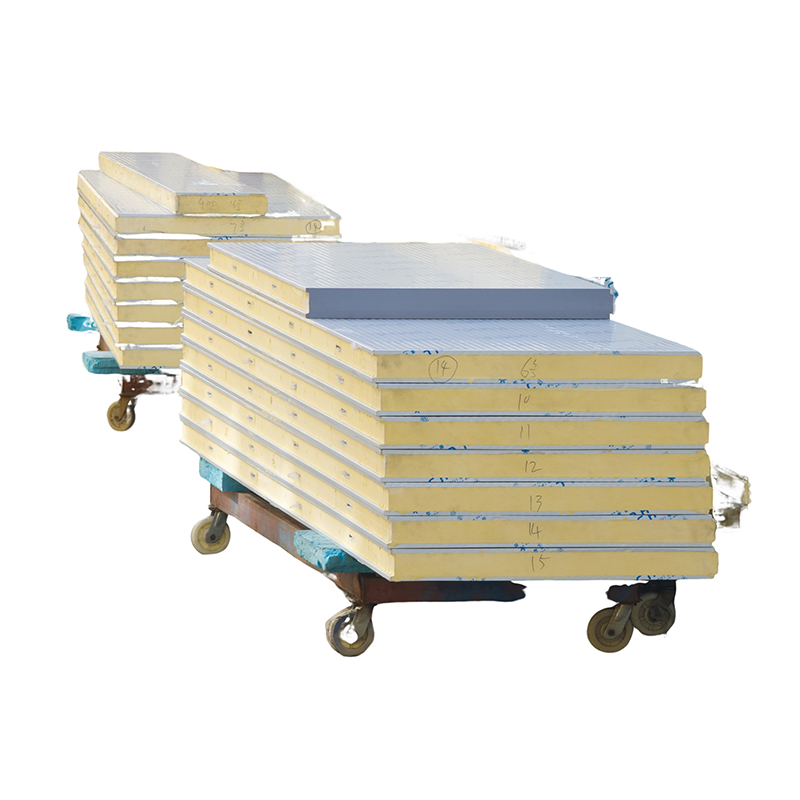
One of the most compelling reasons for adopting honeycomb panels in construction projects is their significant cost advantages. The lightweight nature of these materials reduces transportation expenses, crane requirements, and foundation loads, resulting in substantial savings throughout the construction process. Projects utilizing these panels typically require smaller structural frameworks and lighter support systems, further reducing material costs and construction complexity.
Installation efficiency represents another major economic benefit. The large panel sizes and manageable weight allow construction crews to cover extensive areas quickly, reducing labor hours and project timelines. This accelerated installation process translates to lower labor costs, reduced equipment rental expenses, and faster project completion schedules. Additionally, the precision manufacturing of these panels minimizes on-site cutting and modification requirements, further streamlining the construction process.
The durability characteristics of honeycomb panels contribute to significant long-term cost savings through reduced maintenance requirements. Their resistance to environmental factors means fewer repairs, replacements, and routine maintenance interventions over the building's lifecycle. This translates to lower operational costs and extended service life compared to traditional building materials that may require frequent upkeep or replacement.
Energy efficiency represents another economic advantage, as these panels often provide excellent thermal insulation properties. This characteristic reduces heating and cooling costs for building occupants while contributing to overall energy performance ratings. The combination of structural efficiency, durability, and energy performance creates a compelling economic case for specifying these materials in both new construction and renovation projects.
The versatility of honeycomb panels extends across numerous construction applications, from exterior cladding systems to interior partition walls. Their adaptability allows architects and engineers to incorporate them into various design concepts while maintaining consistent performance characteristics. These panels can be customized with different face materials, core densities, and surface finishes to meet specific aesthetic and functional requirements.
Modern manufacturing techniques enable the production of panels in various sizes, thicknesses, and configurations, accommodating both standard and custom architectural requirements. This flexibility makes them suitable for everything from small residential projects to large-scale commercial and industrial developments. The ability to integrate these panels with other building systems creates opportunities for innovative design solutions that were previously impractical or cost-prohibitive.
Sustainability considerations have become increasingly important in construction material selection, and honeycomb panels align well with environmental objectives. Their efficient material usage reduces waste generation during manufacturing, while their lightweight properties minimize transportation-related carbon emissions. Many panel systems incorporate recycled materials or utilize manufacturing processes that reduce environmental impact compared to traditional alternatives.
The extended service life of these panels contributes to sustainable building practices by reducing the frequency of material replacement and associated environmental costs. Their potential for recycling at the end of their service life further enhances their environmental credentials. Additionally, the energy efficiency benefits they provide to buildings contribute to reduced operational carbon footprints throughout the structure's lifecycle.
Beyond their structural advantages, honeycomb panels offer excellent thermal insulation and acoustic dampening properties. The cellular core structure creates multiple air pockets that effectively resist heat transfer, contributing to improved building energy performance. This thermal efficiency reduces the load on heating and cooling systems while maintaining comfortable interior conditions for occupants.
Acoustic performance represents another significant benefit, as the honeycomb structure effectively absorbs and dampens sound transmission. This characteristic makes these panels particularly valuable in applications where noise control is important, such as commercial buildings, educational facilities, or residential developments near high-traffic areas. The combination of thermal and acoustic benefits enhances overall building performance while contributing to occupant comfort and satisfaction.
Safety considerations are paramount in construction material selection, and many honeycomb panel systems incorporate fire-resistant properties that enhance building safety. The core materials and face sheets can be engineered to meet specific fire rating requirements, providing passive fire protection that complies with building codes and safety standards. This fire resistance contributes to overall building safety while potentially reducing insurance costs and regulatory compliance requirements.
The structural stability of these panels during fire events is another important safety consideration. Unlike some materials that may fail catastrophically when exposed to high temperatures, properly designed honeycomb panels maintain their structural integrity longer, providing valuable time for evacuation and fire suppression activities. This characteristic enhances overall building safety and contributes to comprehensive fire protection strategies.
Modern honeycomb panel manufacturing utilizes advanced production techniques that ensure consistent quality and dimensional accuracy. Computer-controlled manufacturing processes create panels with precise specifications that meet or exceed design requirements. This manufacturing precision reduces on-site fitting issues and ensures predictable performance characteristics across all panels in a project.
Quality control measures throughout the manufacturing process verify that each panel meets specified performance criteria before delivery to the construction site. This rigorous quality assurance reduces the risk of material defects and ensures reliable performance in service. The consistency of manufactured panels also simplifies installation procedures and reduces the potential for construction errors or delays.
The manufacturing flexibility of honeycomb panels enables extensive customization options to meet specific project requirements. Face materials can be selected from various options including metals, composites, or specialty coatings to achieve desired aesthetic and performance characteristics. Core materials and densities can be optimized for specific load requirements, environmental conditions, or performance objectives.
This customization capability allows seamless integration with architectural design concepts while maintaining the fundamental performance advantages of the honeycomb structure. Designers can specify panels that meet both functional requirements and aesthetic objectives without compromising performance or increasing costs significantly. The ability to coordinate panel specifications with overall building systems creates opportunities for optimized performance and streamlined construction processes.
Honeycomb panels are particularly well-suited for commercial buildings, industrial facilities, educational institutions, and residential projects where weight reduction and structural efficiency are important. They excel in applications requiring large spans, such as warehouses, retail centers, and sports facilities. The panels are also ideal for buildings in seismic zones where lighter construction provides safety advantages. Additionally, they work well in renovation projects where existing structural capacity may be limited but improved performance is desired.
While the initial material cost of honeycomb panels may be higher than some traditional options, the total project cost is typically lower due to reduced structural requirements, faster installation, and lower transportation costs. The lightweight nature reduces foundation and framing requirements, while the large panel sizes accelerate construction schedules. Long-term savings through reduced maintenance and improved energy efficiency often justify the initial investment, making them cost-effective over the building's lifecycle.
Honeycomb panels generally require minimal maintenance compared to traditional building materials. Regular visual inspections to check for surface damage or seal integrity are typically sufficient. Any minor damage can usually be repaired locally without replacing entire panels. The corrosion-resistant properties of most panel systems eliminate the need for frequent protective coatings or treatments. Cleaning requirements are minimal and can usually be accomplished with standard building washing procedures.
Yes, properly specified honeycomb panels perform excellently in extreme weather conditions. Their structural design effectively handles wind loads, snow loads, and temperature variations. The panels resist moisture infiltration and thermal cycling that can damage other materials. In hurricane-prone areas, their lightweight properties reduce wind loading on structures while maintaining strength. Cold climate applications benefit from their thermal insulation properties, while hot climates benefit from their reflective surface options and thermal mass characteristics.

SEVEN GROUP is a leading aluminum building materials manufacturer with global recognition. We specialize in aluminum composite panels, coated aluminum coils, and aluminum solid panels, certified by ISO9001, ISO14001, and CE. Our high-quality products meet ASTM and BS standards and are exported to 34+ countries. Contact us for premium aluminum solutions!
 EN
EN